The Architect · Optimized Tonality™
Ronda Polhill
She became aware in the wild. The practitioner who became a researcher. The paradox that became a methodology.
The Origin
Thousands of conversations.
One recurring signal.
There's a moment in professional practice when the feedback you're receiving stops being complimentary and starts being data.
For Ronda Polhill, that moment came across thousands of sales conversations - in the headset, in real time, under the pressure of real professional outcomes. From diverse cultural and professional contexts across North America, Europe, and Asia-Pacific - shaped by the structured communication of a Rutgers education, the cross-cultural nuance of Okinawa, and the cross-regional living experiences of Las Vegas, Seattle, and Phoenix - a pattern emerged that couldn't be explained by script, training, or technique alone.
Callers of all ages and genders were responding to something more specific. Not emotion. Not script adherence. Something in how she sounded.
Some unsolicited caller feedback - verbatim
Clear, articulate, patient - a pleasure
I wish I could call you when I'm stressed or anxious
How do you talk like that?
This was the best call I've had in a while
Have you ever been told you have a gift?
A number of callers asked if they were
speaking with a person.
Not because the conversation was cold or scripted. Because the tonality was so consistently calibrated - so reliably steady in its pace, register, and tonal contour - that it read as something synthesized. Her peers in customer experience training had a name for it: "the company Siri."
This would be unremarkable if it had damaged trust or reduced conversion.
But it did neither.
The same callers who asked whether they were speaking with a person gave her their attention, their patience, and their business. Performance was absent. Calibration was present. Trust and outcome followed regardless.
That wasn't a once-a-month or quarterly anecdote. Over nine continuous months, it was a documented, repeatable, measurable pattern for her.
The callers who asked weren't offended. They were curious - and they stayed. The same conversations that opened with "are you a real person?" closed with conversion, trust and positive outcomes. The compliments and remarks such as "I wish I could call you when I'm stressed", without being asked, were genuinely appreciated. Those comments were not the whole pattern, but a recurring subset within it: across the same nine-month period, broader unsolicited feedback continued, and a smaller voice-specific subset repeatedly included AI-adjacent descriptions.
The AI comparison wasn't criticism. It was recognition: what consistently calibrated professional tonality can sound like to the human ear. So reliably steady in register, pace, and tonal contour that the brain searches for an explanation beyond ordinary human execution. Not artificial. A tonal standard so consistent that it reads as engineered - and yet produces human outcomes. Just that permanent default. That is exactly what Optimized Tonality is designed to develop.
"That spontaneous feedback? It sparked my curiosity. Setting aside my dislike of hearing my own voice, I started paying closer attention and noticed patterns. For example; Whatever was happening, was happening within the first few seconds of conversations.
Documenting my observations was instinct without a goal.
Nothing special. Yet, something. I just felt something was there. However, it was only later that I came across an existing theory that seemed to explain - at least to me to some extent - what I'd been doing.
Somehow, I related that theory to my real-world experience - thousands of calls - in action. It’s usually the other way around: theory-driven research.
But my backwards research emerged from my reality.
It led me to view the tonality of my voice, not as a quirk - but as what I call my human signature. A consistent, measurable advantage that would often turn high-stakes conversations into positive interactions and outcomes for both sides."
- Ronda PolhillThe Documentation
Sustained, real-world practitioner experience.
Systematically documented observational data.
Nine months. 8,873+ verified calls. The pattern held across seasons, call volumes, and market conditions. The numbers below are not estimates - they are the documented record.
8,873+
Verified calls
across 9 months
35.85%*
Average sales conversion
rate · full period
68
Unsolicited AI-adjacent
tonality comments
68.97%
Single-day peak conversion rate
May 23, 2025 · Outside study period ↓
On May 23, 2025 - outside the nine-month study period of July 2024 - March 2025 - a single-day conversion rate of 68.97% was recorded. This figure is not included in the nine-month averages or monthly chart below. It is documented via a company weekly performance report screenshot retained in personal records, and is presented here as a standalone data point distinct from the primary study period.
Monthly Conversion Performance
July 2024 - March 2025 · Verified sales conversion rates · AI-adjacent comment instances noted
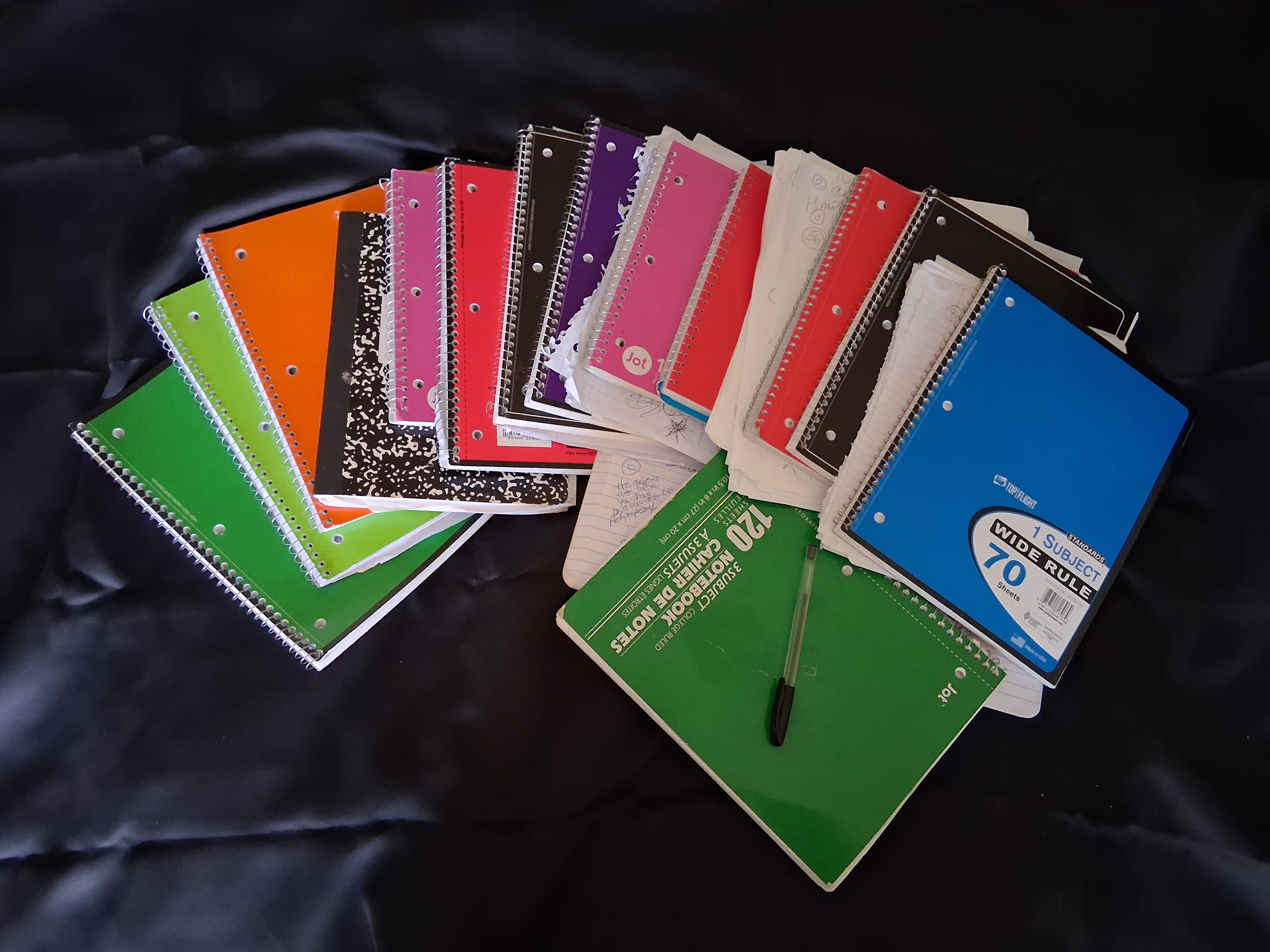
Feedback was documented in real time - during or immediately after each interaction - in physical notebooks preserved as provenance. No personally identifiable information (PII) was captured: notes record date, conversational context, and feedback language without names or identifying details. Across the nine-month period, 168+ instances of unsolicited verbal feedback were documented from customers of all ages and genders across North America, Europe, and Asia-Pacific. The patterns shown are observational: a record of what occurred naturally across 8,873+ interactions, not the results of a controlled experiment.
Within the broader set of 168+ unsolicited verbal feedback instances, 97 comments referred specifically to the voice itself; 68 of those 97 (approximately 70%) used AI-adjacent descriptors, spanning 56 separate days. That subset represents a small signal (roughly 0.76%) relative to total interactions, but it recurred often enough to help motivate TonalityPrint and the later research question: whether unusually calibrated human tonality may sometimes be perceived in ways that complicate standard assumptions about trust and attention.
* The performance data above reflects Ronda Polhill's documented personal professional results from July 2024-March 2025, collected prior to the development of Optimized Tonality. It is presented as context for the research and training system that followed - not as a projection of typical outcomes for buyers of this training. Individual professional results will vary based on numerous factors including but not limited to context, application, and development. Optimized Tonality makes no representation as to specific conversion rates, revenue outcomes, or professional results of any kind.
"If tonality could be this powerful beyond the scope of script, personality, or performed confidence - can it be systematized?"
The question that launched the narrow researchThe Research Arc
From observation
to formal exploration.
The path from professional observation to formal independent research took an unforeseen turn through one of the most cited papers in artificial intelligence: Attention Is All You Need - the foundational work behind the transformer architecture that underpins modern AI language models. Its principle is deceptively direct: capture and hold attention, and you can direct it anywhere.
Ronda surprisingly applied that principle to a specific domain: the tonality of human professional speech as an attention mechanism - not merely a stylistic preference or only a delivery channel, but a measurable mechanism by which human attention is captured, held, and ethically guided in high-stakes professional conversations.
The observational data - the subset 68 AI-adjacent comments sustained across nine months, alongside stable conversion performance - presented what the research documentation describes as an ecologically grounded anomaly: prosody perceived as AI-like, when correctly modulated, appearing to enhance rather than undermine human trust.
That lived anomaly became the hypothesis. The research that followed was constructed to explore whether certain tonal patterns merit systematic investigation - and what it might mean for both human professional development and the emerging field of human-AI voice alignment.
The research that followed has been formally deposited with Zenodo, placing it in a permanent, citable scholarly record. Three separate yet interconnected bodies of work now form the specialized foundation of Optimized Tonality:
Perceptual Alignment
Research into calibration: the alignment between tonal intent and tonal perception.
Perceptual Alignment White Paper →The Training System
The system built
from this research.
Optimized Tonality™ is the practical, structured entry point into this body of work - designed to move professionals from awareness to calibration to a more reliable professional default. It is grounded in the same insight that began in the headset: that how you sound during high-stakes conversations is trainable, measurable, and permanently yours.